Short answer
A strong ChatGPT Ads landing page must pass OpenAI's automated review, confirm the ad's promise and move the visitor toward a clear next step. Before launch, use a public URL that returns 200, allow OAI-AdsBot, state the offer above the fold, show evidence, keep the form short and validate analytics.
The one-screen checklist
the page works without a login, CAPTCHA or geographic restriction;
robots.txt allows OAI-AdsBot;
the headline continues the meaning of the ad and conversation scenario;
the visitor immediately understands the offer, conditions and next step;
the page provides real evidence instead of unsupported claims;
the form works on mobile and requests only necessary information;
UTM parameters persist and key events reach analytics;
policies, contact details and company information are accessible before form submission.
Why OAI-AdsBot access is required
OpenAI uses crawlers to validate the safety of submitted landing pages and to help determine when an offer is relevant. Its official advertiser crawler guidance requires OAI-AdsBot access and recommends allowing OAI-SearchBot as well.
Robots.txt is only one layer. A WAF, CDN, bot protection, JavaScript challenge, CAPTCHA, authentication rule, regional restriction or rate limit can still block validation. The destination should return a successful response to an automated client and provide enough public text without requiring an account.
Match the conversation, not just a keyword
ChatGPT Ads considers the current conversation and intent together with the landing page, title, description and advertiser-provided context hints. This is documented in OpenAI's official ChatGPT Ads overview. One generic page will rarely answer every situation equally well.
User scenario | What the landing page should provide |
|---|---|
Comparing solutions | Selection criteria, a balanced comparison, limitations and a relevant case |
Looking for a partner | Process, team, timeline, engagement model and next step |
Estimating a budget | A useful range, what the estimate includes and the inputs required |
Reducing risk | Security, privacy, process guarantees and support conditions |
Above-the-fold structure
Headline: state a specific outcome or solution to the problem described in the ad.
Subheadline: clarify the audience, scope and meaningful difference.
One primary CTA: request an estimate, audit, demo or launch plan instead of using a vague “Learn more.”
Compact evidence: add a relevant outcome, case, process fact or clear expectation for the next step.
If the ad promises a readiness audit, the first screen should not lead with a generic agency introduction. If the visitor is comparing channels, the page should help them compare before demanding contact details.
Evidence and transparency
For a considered purchase, verifiable detail is stronger than superlatives. Show interface screenshots, methodology, a sample deliverable, realistic timelines, limitations or a case study with a baseline. Near the form, explain who operates the service, how to contact the company, how data is handled and what happens after submission.
Set up measurement before launch
OpenAI Ads Manager reports impressions, clicks, spend, CTR, average CPC and CPM and conversions. OpenAI also recommends static tracking parameters such as UTMs on landing-page URLs so existing analytics can attribute ad traffic. Test that redirects and navigation preserve those values.
Define the primary event: a completed form, booking or qualified enquiry.
Track useful intermediate actions such as starting the form, viewing a case and opening contact options.
Retain source, campaign, ad group and creative identifiers.
Evaluate qualified lead rate, not conversion count alone.
Technical QA before review
Check | Expected result | Typical fix |
|---|---|---|
HTTP response | 200 without an unexpected redirect chain | Remove errors, loops and session dependencies |
Robots | OAI-AdsBot can access the destination | Allow the crawler and review CDN or WAF rules |
Mobile experience | The offer and CTA fit without horizontal scrolling | Fix responsive layout and interactive target sizes |
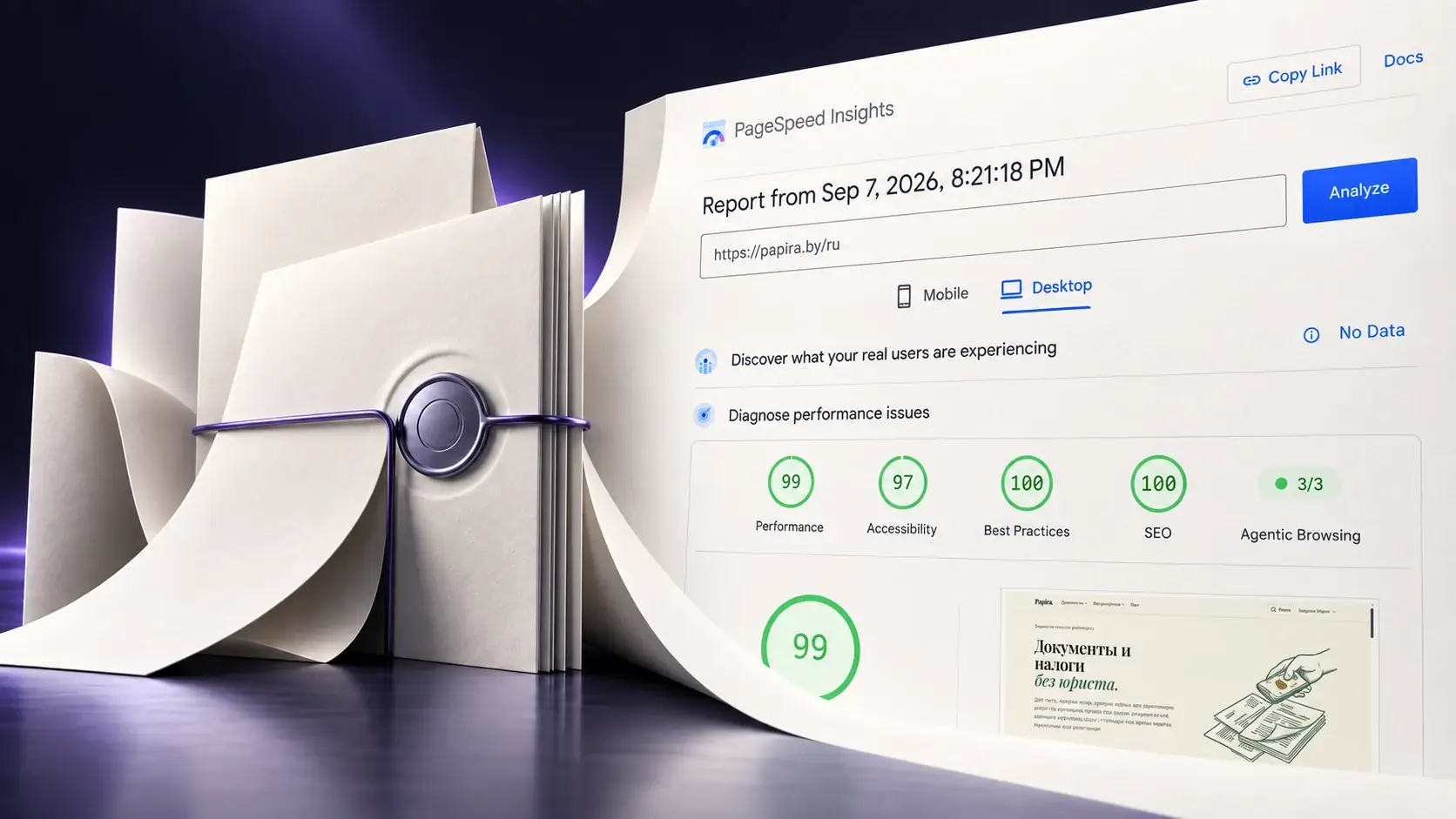
Performance | Primary content appears without a long delay | Optimize images, fonts and heavy scripts |
Analytics | UTMs and a test conversion are recorded | Correct redirects, events and deduplication |
What to review after the first clicks
First confirm that each ad is bringing people into the intended scenario. Then compare conversion by message, device and destination. Low CTR usually points to the ad or context hints; acceptable CTR with weak conversion more often indicates a problem with message match, proof, form friction or the offer itself.
Read the complete ChatGPT Ads guide or explore ChatGPT Ads campaign services, from conversational intent mapping to landing-page implementation and measurement.